This blog offers information, and connections to nurture recent graduates. We welcome your participation on this and on our Facebook Page. The NTC continues to be deeply grateful to MEDITECH for its long history of support for this program. Over the years, MEDITECH has made it possible for the New Teacher Community to serve a vital role in helping our graduates to persist in a challenging, yet deeply rewarding profession.
Michelle Obama Is Hosting a Weekly Storytime for Children Staying Home Due to COVID-19
She’s teaming up with PBS Kids and Penguin Random House to give parents a weekly teaching break.
Why Global Citizens Should Care
Public health crises like COVID-19 coronavirus disrupt children’s education around the world. For children living in poverty, it is particularly difficult to access learning resources. You can join us and take action on this issuehere.
Children around the world may not be able to visit their local library, but former first ladyMichelle Obamais ensuring they can enjoy their favorite books at home.
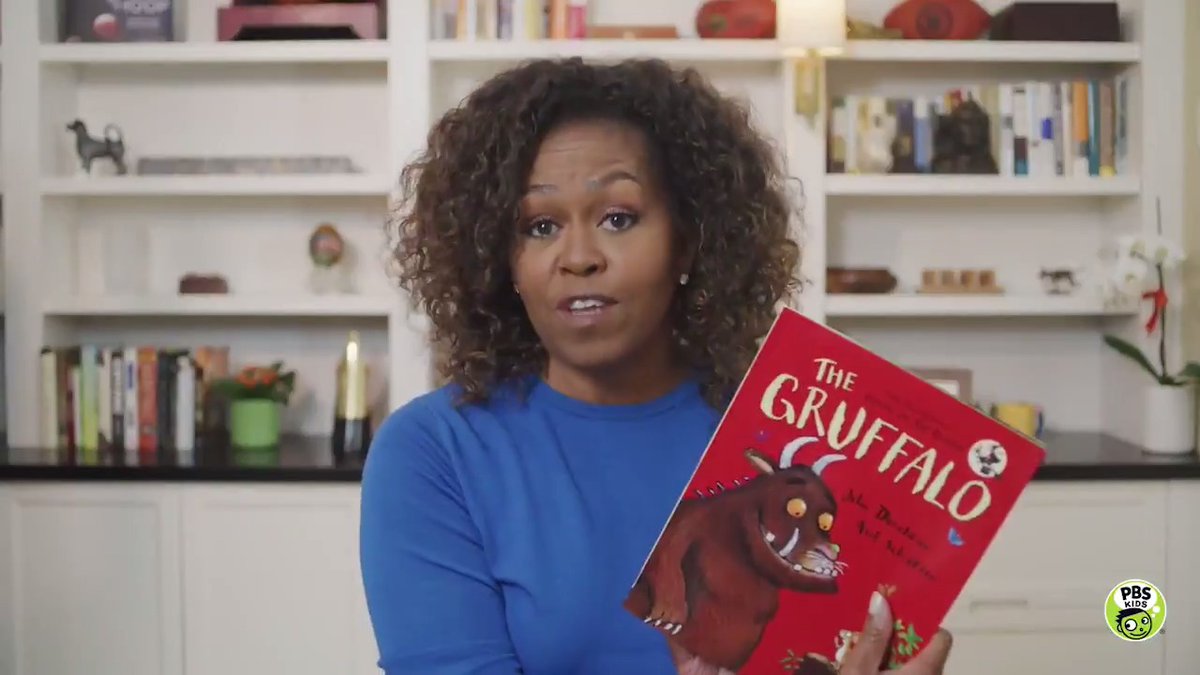
Obamaannouncedon April 17 that she would host a weekly virtual storytime every Monday, through May 11. She will read a classic children’s book live on PBS KIDS and Penguin Random House’s Facebook and YouTube channels, and the livestream of each episode will be available online immediately after.
Obama kicked off "Mondays With Michelle" on Monday with the bookThe Gruffalo, written by Julia Donaldson and illustrated by Axel Scheffler. Sign Now:
"As a little kid, I loved to read aloud," Obamasaidin a press release. "And when I became a parent, I found such joy in sharing the magic of storytelling with my own children — and then later, as first lady, with kids everywhere."
The education advocate will readThere's a Dragon in Your Book,Miss Maple's Seeds, andThe Very Hungry Caterpillar, throughout the month.
Obama’s series is part of Penguin Random House's Facebook and YouTube literacy initiative, "Read Together, Be Together" and PBS Kids’ "Read-Along." The efforts aim to encourage parents to read with their children and help them learn while social distancing through virtual tools and digital events.
I can't wait to share the magic of storytelling with kids everywhere by reading a beloved children's book every Monday with @PBSKIDS and @Penguinrandom.
I hope you’ll tune in today at 12PM ET as I read "The Gruffalo" on @PBSKIDS's YouTube channel and Facebook page!
Parents are noweducatingtheir children at home as91%of students around the world are out of school due to school closings in 191 countries due to COVID-19. Reading aloud to children has a range of cognitive benefits and can help themdescribetheir feelings better, which is especially beneficial during a crisis.
"At this time when so many families are under so much stress, I’m excited to give kids a chance to practice their reading and hear some wonderful stories (and to give parents and caretakers a much-needed break)," Obamasaid.
"Mondays With Michelle" is one of Obama’s several education initiatives tosupportchildren’s education. She alsostarredin an episode of YouTube’sCreators for Changeseries in March to highlight the barriers girls face to attend school.
Many of us suddenly find ourselves at home for weeks with our preschool-aged children. TheSaul Zaentz Early Education Initiativeat the Harvard Graduate School of Education is sharing ways to talk to your children during this time; to create structure and routine; and to continue to develop their social emotional skills.
Key points
Create a daily schedule with your children. Draw pictures (or get them online) of each “activity” and a general time frame for when they can expect each thing to happen.
Include the activities similar to those your child does in preschool: mealtimes and snacks, handwashing, outdoor time (recess), “learning time,” and rest.
Maintain, as possible, regular mealtimes and family routines. If you usually go to dance or soccer practice in the afternoon — go to a field instead and exercise outside together. Consistency is important in helping young children feel secure and safe.
Practice your own self-care when possible. Short breaks from the family (solo walks, a bath, or a phone call with a friend) will help you manage your own stress.
Build and practice important social emotional skills
Model empathy and kindness by looking for ways to be helpers in your community. Offer to run errands for an elderly neighbor, make and drop off cards to a nursing home.
Create a kindness jar — write down all the acts of kindness you see your children doing, (e.g. helping with a chore, sharing a toy with a sibling, making a picture for a friend, etc.) Then, periodically select a paper from the jar and read it out loud with the family.
Create a feelings chart or use stickers or pictures to help your child communicate how they are feeling each day. Use books and pictures to discuss emotion words like angry, scared, and worried.
Create a sharing time each day at bedtime or mealtime. Ask a daily question: “What was the best part of your day/the worst part of your day?” “Name one thing that felt good today and one thing that felt hard?” “Name one kind thing you did today.”
Manage fears or worries
Keep communication open, but non-alarmist. Be honest but reassuring and keep it fact-based and developmentally appropriate.
Here is some possible language: “There is a new virus called the coronavirus that you may have heard about. Scientists and doctors think that most people will be ok, especially kids, but some people might get pretty sick. We are all going to do our part to not spread the germs that cause the virus, so we’re staying home from work and school for a few weeks. We’ll go back to our usual routine soon, but until then, we get to spend some time together. Mom/Dad/Caregiver will need to work sometimes, and you get to learn at home too. We’re going to make a plan together for when we’ll work and when we’ll play.”
Children will react both to what you say and how you say it. They will pick up cues from the conversations you have with them and with others. More information from theCenters for Disease Control here.
Children can feel afraid and not express it. Encourage your child to talk about their feelings. Validate their emotions and provide reassurance.
Limit the amount of COVID-19 news you consume as a family, especially in front of young children. Don’t assume they are not listening, even if they are not actively watching.
Healthy habits
Reinforce healthy routines like handwashing, healthy eating, and exercise. Keeping everyone’s immune system humming is an important step to avoiding getting sick.
It’s more important to keep the learning positive and fun than to worry about maintaining academic skills for preschool-aged children. Enjoyable experiences such as reading together, storytelling, and games are fun ways to keep learning going without putting too much stress on young children.
Do use technology as a tool for keeping kids connected with friends and family.Zoomis a great tool to spend time with a grandparent or cousins online. Seeing their family well and having fun together can be very reassuring to young children. (Continue to be mindful of recommended guidelines for limiting screen time in accordance with your child’s age, however.)
Reading aloud to
children is one of the most important things adults can do. It builds
foundational language skills, introduces vocabulary, provides a model of
fluent, expressive reading and helps children recognize what reading
for pleasure is all about.
Next time
you’re looking for a great book to read aloud, try one of our favorites,
from gentle picture books for little ones to poetry to exciting chapter
books for kids who know how to read but enjoy having an intriguing
story read to them.
Interest level: P-3 If
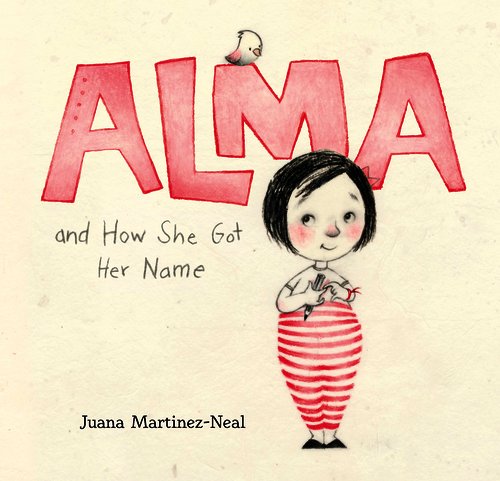
you ask her, Alma Sofia Esperanza Jose Pura Candela has way too many
names: six! How did such a small person end up with such a large name?
Alma turns to Daddy for an answer. As she hears the story of her name,
Alma starts to think it might be a perfect fit after all.
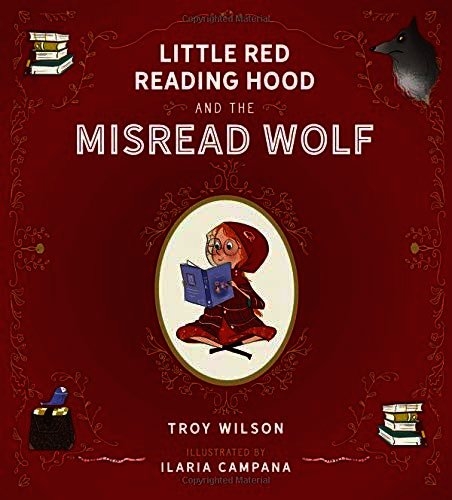
Interest level: P-3 A
retelling of the classic Little Red Riding Hood, starring our bookish
heroine Red and a misunderstood, book-loving wolf desperate for a good
story. This is the Misread Wolf, who’s desperate for a bedtime story and
knows Little Red Reading Hood might be his only hope.
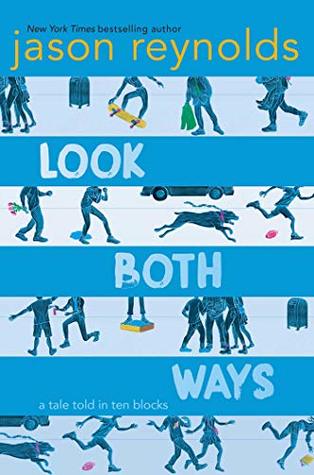
Interest level: 5-9 Jason
Reynolds conjures ten tales (one per block) about what happens after
the dismissal bell rings, and brilliantly weaves them into one wickedly
funny, piercingly poignant look at the detours we face on the walk home
and in life.
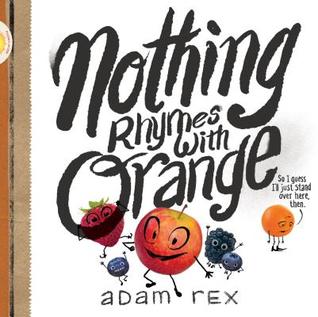
Interest level: K-3 We
all know nothing rhymes with orange. But how does that make Orange
feel? Well, left out! Beloved author-illustrator Adam Rex has created a
hilarious yet poignant parable about feeling left out, celebrating
difference, and the irrefutable fact that nothing rhymes with orange.
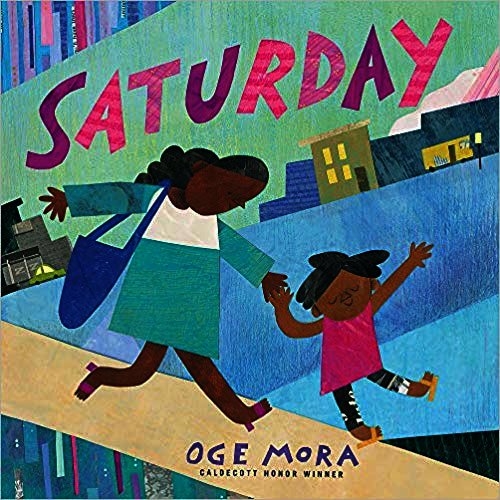
Interest level: P-3 Sometimes,
the best plans don’t work out exactly the way you expect. In this
heartfelt and universal story, a mother and daughter look forward to
their special Saturday routine together, although, this Saturday, one
thing after another goes wrong.
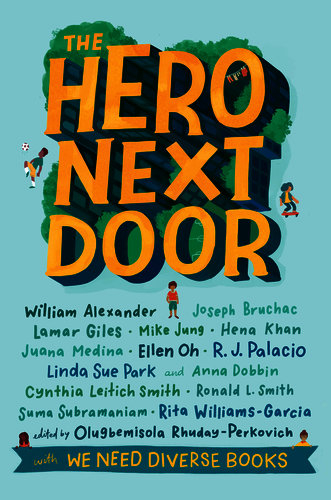
Interest level: 3-7 Published
in partnership with We Need Diverse Books, this vibrant anthology
features thirteen acclaimed authors whose powerful and diverse voices
show how small acts of kindness can save the day. So, pay attention,
because a hero could be right beside you. Or maybe the hero is you.
Interest level: 4-8 Tells
the story of how women throughout the ages have responded to situations
confronting them in daily life by inventing such items as correction
fluid, space helmets and disposable diapers.
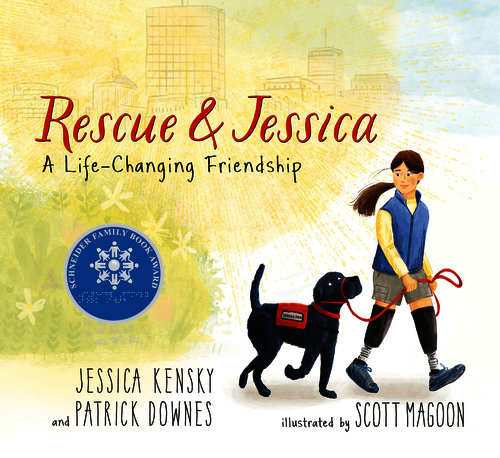
Interest level: K-4 Based
on a real-life partnership, the heartening story of the love and
teamwork between a girl and her service dog will illuminate and inspire.
Jessica needs Rescue by her side to help her accomplish everyday
tasks.
Interest level: P-4 Originally
performed for ESPN’s The Undefeated, this poem is a love letter to
black life in the United States. It highlights the unspeakable trauma of
slavery, the faith and fire of the civil rights movement, and the grit,
passion, and perseverance of some of the world’s greatest heroes.
Interest level: 3-7 The
Tuskegee Airmen were a heroic group of African American military pilots
who helped the United States win World War II. While this book details
thrilling flight missions and the grueling training sessions the
Tuskegee Airmen underwent, it also shines a light on the lives of these
brave men who helped pave the way for the integration of the U.S. armed
forces.
And 11 Runners-Up
There are so many
books that make great read alouds! We seriously struggled to get the
list to only ten, so here are our runners-up:
Wishtree by Katherine Applegate; Interest level: 3-7
7 Family-Friendly Literacy Activities to Empower Families as Readers
This blog was originally published on October 24, 2016 and received an update on March 24, 2020.
As educators and advocates for literacy, our efforts focus primarily on the day-to-day school environment. But to inspire a love of reading and have a positive impact on the literacy skills of today’s students, there’s one crucial ally we need in our corner: families.
Now more than ever, as students are engaging in remote learning due to the spread of coronavirus (COVID-19), it’s important to ensure that parents and guardians are equipped with the tools to encourage and support reading at home.
We all know that more reading equals better readers. Students need to read widely and deeply—and become engaged with books from an early age—to develop strong literacy skills and a real desire to read.
“If daily reading begins in infancy, by the time the child is 5 years old, he or she has been fed roughly 900 hours of brain food! Reduce that experience to just 30 minutes a week and the child’s hungry mind loses 770 hours of nursery rhymes, fairy tales, and stories. A kindergarten student who has not been read to could enter school with less than 60 hours of literacy nutrition. No teacher, no matter how talented, can make up for those lost hours of mental nourishment.”
Most parents aren’t teachers or literacy experts, and that’s okay. They’re probably overwhelmed right now and may require some guidance on your part, so make sure to keep the lines of communication open during this time of remote learning. Email with suggestions for activities like the ones we list below and schedule office hours for answering questions. (Find more tips for remote teaching here.)
Most importantly, remind them that literacy-rich activities can be simple and fun for the whole family. Here are some of our favorite ways for kids and parents to enjoy books, reading and literacy together.
1. Read together. Or separately. Really, just read!
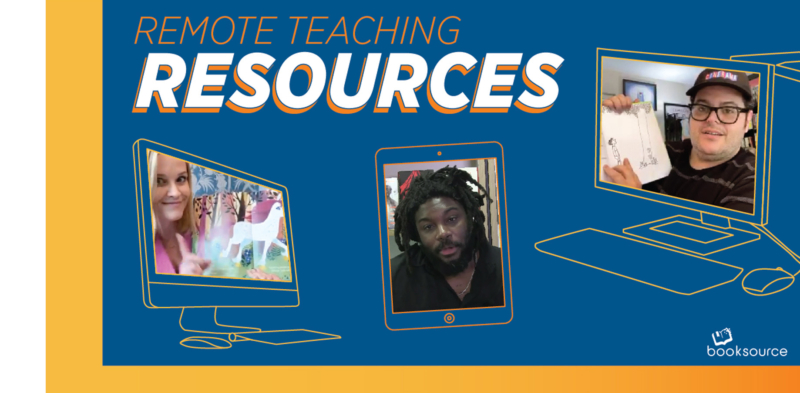
Kids take their cues from what they see around them. Reading a favorite fairytaleor picture bookaloud at bedtime, for example, allows guardians to model fluency, expression, pronunciation and more—in the same way that teachers model these skills in the classroom. There are also plenty ofauthors and celebrities reading aloud online to promote literacy during COVID-19.
But children also benefit when they see the adults around them reading on their own. Whether a parent is engrossed in their favorite mystery series or reading the newspaper over breakfast on a Saturday morning, they are setting the example that reading is a natural—and valuable—part of everyday life.
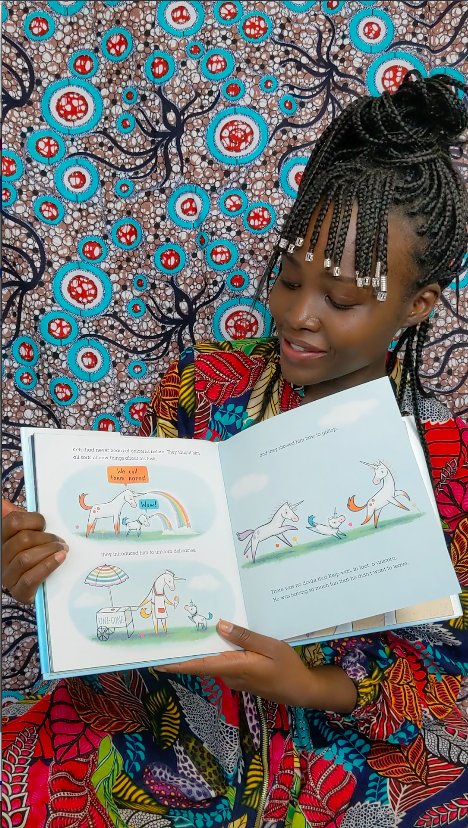
Amy Adams and Jennifer Garner invited me to read a book for #SaveWithStories & Not Quite Narwhal was my choice for you. Head to "SaveWithStories" on Instagram to enjoy more stories and find out how you can help @savethechildren and @nokidhungry. Take care. Stay home. Be well.
2. Take advantage of the many literacy resources available.
There are an abundance of websites offering content from printable activity packs to reading games that can help guardians who aren’t sure how to talk about a book.
A good place to start is our Comprehensive Guide to Remote Teaching Resources for Educators at Every Grade, where we have compiled a list of the best resources being created and shared all over the country in the interest of maintaining learning while social distancing. We’ve been updating with new resources as we find them in an effort to make life easier for both educators and for parents and guardians at home!
3. Start a family book club.
If a child has a book they’ve been wanting to read, why not read it together as a family?! Parents and guardians can take a page from the book clubs and literature circles that teachers use in the classroom and get an in-depth conversation going.
Be sure to choose a book that appeals to all readers—and can accommodate all reading levels—in the family. Mother-daughter book clubs (or mother-son, father-son, father-daughter, grandparent-grandchild book clubs … whatever family dynamic you prefer) are another neat way to share books and reading with the people closest to you.
4. Initiate dinner table discussions.
Parents don’t always need to read the same titles as their children to talk about books together. Over dinner, families can discuss what they’re currently reading, and ask some basic comprehension questions like:
“What is the main topic of the book?”
“Where is the story set? How do you know?”
“What do you think will happen next?”
“How does this book compare to another one you have read on this topic?”
Let the conversation flow naturally and be sure to share what you’re reading too.
5. Create non-traditional book reports together.
Encouraging kids to think critically is also the aim of book reports. But rather than simply taking pencil to paper, why not get a bit more creative?
Use items from around the house from mint tins to paper bags to pizza boxes to come up with a new way to share what they’ve learned. While you’re working, you can discuss the text and dive deep on characters and setting.
Words are everywhere—not just in books. Yes, children benefit when parents and other adults read to them on a regular basis, but there are many other language- and print-rich environments that can help families prioritize literacy from an early age. Tips you can share include:
Pull out a cookbook and show your toddler how you follow the steps to make a batch of cookies
Sing nursery rhymes and have lots of conversations (on any topic you like!) to help children build a rich vocabulary and strong oral language skills
Ask younger children to tell a story by drawing pictures and then “reading” their story to you
Play a board game like Scrabble with older children to practice reading skills, expand vocabulary and more
Listen to audio books together as a family
7. Develop 21st century literacy skills.
Today’s students need to be prepared to do more than just read; they need to know how to critically evaluate text and media in a wide variety of formats. Do kids realize that reading something online doesn’t necessarily make it true?
While teachers are spending more and more time integrating technology into the classroomand preparing students for a world that requires an increasingly broader set of literacy skills, it’s also up to parents and guardians to help children think deeply about the multimedia they consume. Tactics to try:
Talk about the apps that kids use and the video games they play. See if they can identify the subtle messages each piece of digital media conveys.
After watching a family movie, take the time to research a topic or theme from the film. Watch an online video or read a news article that offers more information. And then discuss how the varying pieces of media present the topic differently.
Do kids understand the subtle tactics advertisers use to influence customers? From TV commercials to cereal boxes, show them how marketing works—and how strong literacy and critical thinking skills can help you make informed decisions.
Whether you’re a teacher or guardian (or both!), there are so many easy—and fun—ways to help children develop the literacy skills that are crucial to a lifetime of reading and learning. What are you waiting for? With these ideas for family-friendly literacy activities, you can get started today!
Booksource is a leading distributor of authentic literature for K-12 classroom libraries. With an extensive selection of books from hundreds of publishers, we provide teachers with access to quality books, at just the right level, with something for every student's interests. Our customizable classroom library solutions make it easy and cost effective for educators to build, grow and organize classroom libraries that foster engaged